
When a cyber security researcher stopped the spread of WannaCry, the headlines praised him as a savior. But just a few short months later he was in handcuffs for allegedly creating a piece of malware that steals banking information. Even if he is innocent, it’s important to understand the difference between white hat, black hat and even gray hat hackers.
Black and white: Not all hackers are bad

NSA-approved: mobile virtualization

Server and desktop virtualization have been improving computing efficiency and data security for years. But with all the talk about mobile BYOD policies and corporate data protection on smartphones, the National Security Agency (NSA) believes virtualization is the key to true security.
WannaCry: A historic cyberattack

No one can escape the news of WannaCry. The IT industry has been covering this type of malware for years, but never has one campaign spread so far or infected so many computers. Read on to gain a greater understanding of what happened and how to prepare yourself for the inevitable copy cats.
Web browser cybersecurity, ranked

Cybersecurity didn’t become more important in light of the WannaCry ransomware epidemic, it just became more visible to the average internet user. If like so many others, you’re auditing the security of business’s software, web browsers are a great place to start.
The most advanced Gmail phishing scam yet
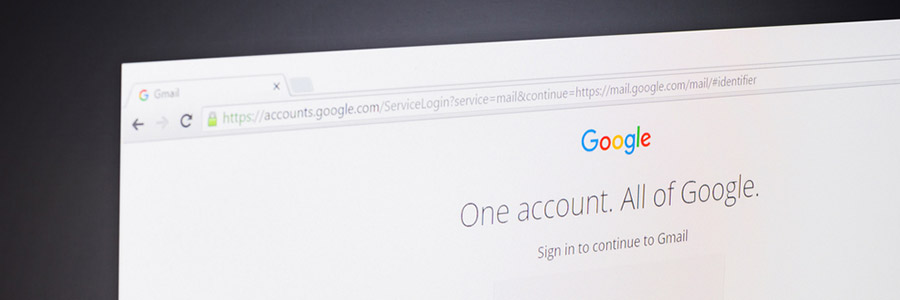
As the technology that recognizes and thwarts malware becomes more advanced, hackers are finding it much easier to trick overly trusting humans to do their dirty work for them. Known as social engineering, it’s a dangerous trend that is becoming increasingly prevalent.
What is virtual “sandboxing”?

Virtualization comes with several benefits for small- and medium-sized businesses. One of the most important is cybersecurity, but even within that subset are several strategies for protecting your organization. One of such strategy is referred to as sandboxing, and it’s worth learning about.
The phishing craze that’s blindsiding users

Most phishing attacks involve hiding malicious hyperlinks hidden behind enticing ad images or false-front URLs. Whatever the strategy is, phishing almost always relies on users clicking a link before checking where it really leads. But even the most cautious users may get caught up in the most recent scam.
Is the government really spying on you?

Wikileaks, the website that anonymously publishes leaked information, recently released a number of documents alleging widespread surveillance by the US government. The released documents claim that the vast majority of these efforts took place via smartphones, messaging apps and.
Some ransomware strains are free to decrypt

Ransomware is everywhere. Over the last couple years, dozens of unique versions of the malware have sprung up with a singular purpose: Extorting money from your business. Before you even consider paying for the release of your data, the first thing you must always check is whether your ransomware infection already has a free cure.
Is fileless malware a threat to you?

There have been some truly horrifying cyber-security headlines popping up over the last month. If you’ve been reading about “fileless” malware attacking banks and other big-name institutions around the world, we’re here to set the record straight: Your business isn’t in direct danger.