
Ransomware is a type of malware that encrypts your data and makes it impossible to access unless you pay a ransom. While it may appear to be difficult to stop, you should never give in to the hacker’s demands. Before you end up being a victim of ransomware, protect yourself with virtual disaster recovery (DR) solutions.
Stop ransomware with virtualization

Fighting ransomware with virtualization

Ransomware takes your data hostage and demands a payment for its recovery. While it may seem like there’s no other choice but to pay the ransom, you should never give in to the hacker’s demands. Before the next wave of ransomware comes around, it’s important to protect your business with virtual disaster recovery solutions.
Big gains for small-business IT in 2017

How many new technologies did your business adopt last year? Too many? Too few? You’ve officially made it through 2017 and there’s no better time than now to review which IT fads were worth investing in, and which ones should be left in the past.
New Locky ransomware: what you need to know
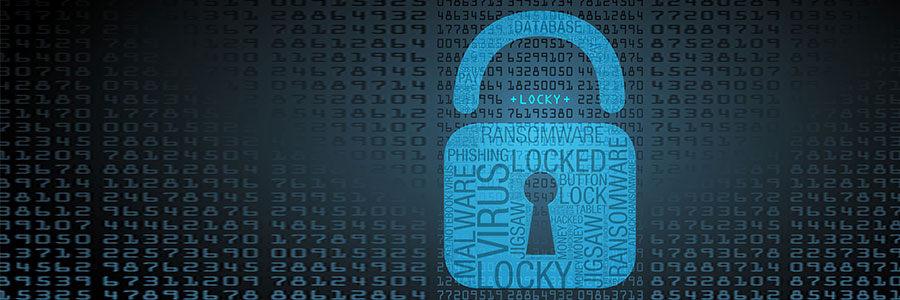
In 2016, the Locky ransomware infected millions of users with a Microsoft Word file. It was eventually contained, and cyber security firms have since created protections to detect and block previous Locky variants. However, a similar malware is currently spreading worldwide and has so far infected tens of thousands of computers.
What you need to know about malware

You’ve all heard of viruses, spyware, ransomware and trojans. But did you know that they’re all types of malware? They’re all designed to ruin your digital life, but different types of malware put your computer at risk in different ways. Understanding what sets them apart can keep your business guarded.
Why Nyetya is more threatening than WannaCry
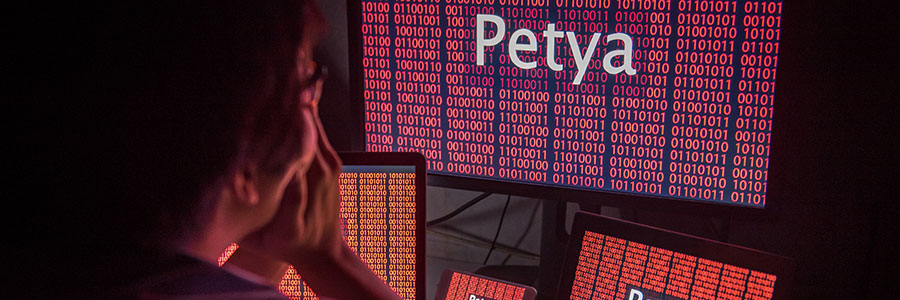
The WannaCry ransomware, which infected 200,000 business globally and made over $100,000 in ransom payments, is said to be one of the worst cyber attacks in history. However, a new ransomware strain named Nyetya is shaping up to be a more formidable security threat.
WannaCry: A historic cyberattack

No one can escape the news of WannaCry. The IT industry has been covering this type of malware for years, but never has one campaign spread so far or infected so many computers. Read on to gain a greater understanding of what happened and how to prepare yourself for the inevitable copy cats.
Some ransomware strains are free to decrypt

Ransomware is everywhere. Over the last couple years, dozens of unique versions of the malware have sprung up with a singular purpose: Extorting money from your business. Before you even consider paying for the release of your data, the first thing you must always check is whether your ransomware infection already has a free cure.
Cyber security and managed services

Cyber security is something you hear about a lot these days. Sometimes it’s thrown around to scare business owners, other times it has proven to be a cautionary tale, one that small businesses can learn from to fend themselves from online threats that can leave devastating impact.
Ransomware demands more victims for freedom

Popcorn Time is taking ransomware to a new level of devilish trickery by asking victims to give up two of their friends for a chance to rid their own computers of the virus. In cyber security this level of diabolical blackmail represents a new and scary trend for hackers.