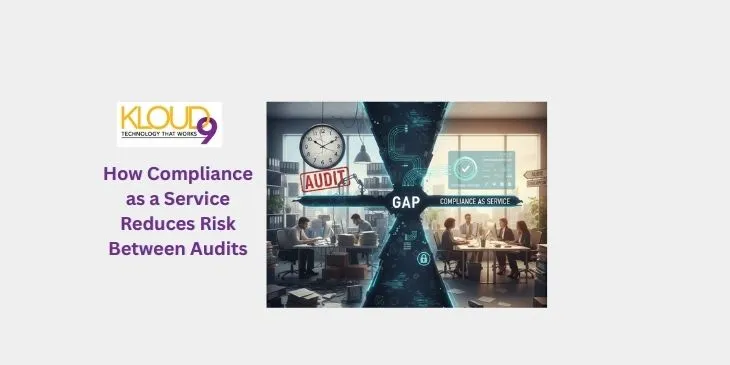
Have you ever been through an audit before? Then you’d be familiar with the feeling. The weeks before the audit are usually tense. Everyone will be busy digging through files, double-checking controls, and making sure nothing important slips past them.
When the audit finally ends, the atmosphere is often different. There’s a collective sigh of relief. And slowly, things drift back to “normal.”
That gap between audits is where most compliance risk actually lives.
The Problem With “Audit-Only” Compliance
Many companies treat compliance like a once-a-year event. They prepare hard, pass the audit, and move on. On paper, everything looks fine.
In reality, daily operations don’t stop just because an audit is over. Employees change roles. Systems get updated. Vendors come and go. Small process changes occur without anyone considering their impact on compliance.
Months later, when the next audit comes around, those small changes have piled up. That’s when surprises show up. Missing logs. Outdated policies. Controls that exist in theory but not in practice.
This is exactly the gap Compliance as a Service is designed to fill.
What Compliance as a Service Actually Does
At its core, Compliance as a Service is about continuity. Instead of scrambling before an audit, compliance becomes something that’s watched and adjusted all year long.
Think of it like having someone regularly check your house's foundation, rather than waiting for cracks to appear.
It doesn’t replace audits. It makes audits easier by keeping things aligned in between.
Fewer Surprises, Less Panic
One of the biggest benefits is visibility. When compliance is monitored continuously, issues are spotted early.
Maybe a security control wasn’t applied correctly. Maybe a policy hasn’t been updated to match how people actually work now. These things get flagged while they’re still small.
That means no last-minute panic. No all-nighters before an audit. No uncomfortable conversations explaining why something was missed.
Policies Stay Alive, Not Forgotten
Policies are often written, approved, and then forgotten. They sit in shared folders while real-world behavior slowly drifts away from what’s documented.
Compliance as a Service helps keep policies up to date. When operations change, policies are reviewed and adjusted. When regulations shift, documentation is updated.
That alignment between “what we say we do” and “what we actually do” reduces risk more than almost anything else.
Controls Don’t Quietly Break
Controls fail quietly. A system update turns off a setting. A process workaround becomes permanent. An approval step gets skipped because someone’s out sick.
Without ongoing oversight, those failures go unnoticed.
With Compliance as a Service, controls are reviewed regularly, not in a stressful, audit-style way, but as part of normal operations. When something slips, it’s corrected before it turns into a finding.
People Change. Compliance Should Too.
Employee turnover is a huge source of compliance risk. New hires don’t always follow old processes. Departures leave gaps in responsibility.
Between audits, these changes add up.
Compliance as a Service accounts for that reality. Access reviews, role updates, and responsibility checks occur continuously, not just when auditors request them.
That keeps risk from quietly growing as teams evolve.
Vendors Are Watched, Not Assumed
Third-party risk often gets overlooked once a contract is signed. But vendors change too. Their systems evolve—their security posture shifts.
Ongoing compliance oversight ensures vendor requirements aren’t just checked once and forgotten. They’re reviewed periodically, reducing the risk that an outside partner becomes your weak spot.
Compliance Becomes Part of the Workflow
One of the most underrated benefits is cultural. When compliance is handled continuously, it stops feeling like a special event.
Teams get used to documenting changes. Managers think about controls when making decisions. Compliance becomes part of how work gets done, not something bolted on later.
That mindset alone reduces risk dramatically.
Audits Become Confirmation, Not Discovery
When compliance is maintained throughout the year, audits feel different. They’re no longer about discovering problems. They’re about confirming what’s already known.
Evidence is easier to gather. Questions are easier to answer. Findings, if any, are usually minor.
This shift lowers stress across the organization, not just for compliance teams.
Less Burnout for Everyone Involved
Audit prep burnout is real. Repeated fire drills wear people down.
Compliance as a Service spreads the workload over time. Small, regular efforts replace intense, short-term scrambles. Teams stay focused and make fewer mistakes.
Calmer teams make better decisions. That alone reduces risk.
Better Decision-Making Year-Round
When leaders have ongoing insight into compliance status, they make better choices. They understand the risk implications of changes before rolling them out.
Instead of asking, “Will this pass the audit?” months later, the question becomes, “Is this compliant right now?”
That shift is powerful.
It’s About Confidence, Not Fear
If there is one thing Compliance as a Service is sure to do, it is remove fear from the equation. Compliance will no longer be a thing people dread.
Your team will feel comfortable when everything is in place and aligned. You will sleep better knowing no hidden issues are waiting to surface.
That confidence comes from consistency, not last-minute preparation.
Final Thoughts
Most compliance failures don’t happen during audits. They happen quietly between them.
Compliance as a Service reduces risk by keeping attention on the everyday details. Policies stay current. Controls stay active. Changes don’t slip through unnoticed.
Instead of racing toward audits, organizations move steadily forward. And when audit time comes, it’s just another checkpoint, not a crisis.
That’s the real value.